
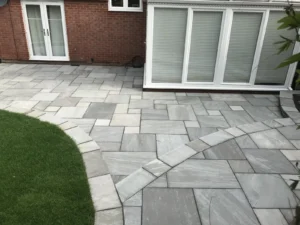
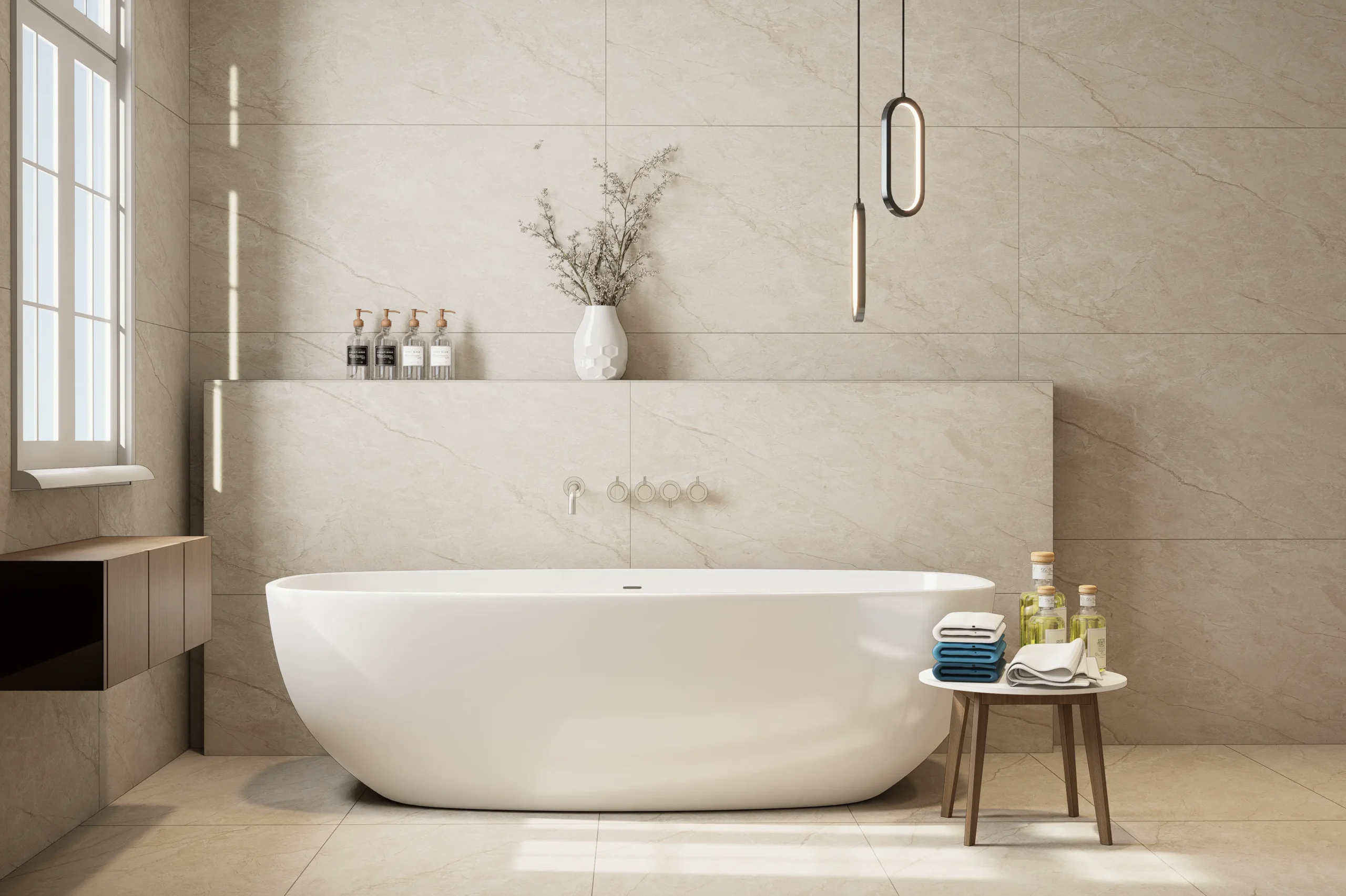

Your outdoor space deserves more than just beautiful flooring. It needs a surface that can handle rain, sunlight, changing temperatures, and everyday foot traffic without losing its appeal. Choosing the wrong material can lead to cracks, slippery surfaces, stains, and costly repairs.
That is why choosing the right outdoor tiles matters. Whether you are designing a patio, garden pathway, balcony, or terrace, the right tiles can improve both the appearance and durability of your space. From natural stone to porcelain, there are several options available. But which material offers the best performance?
In this guide, we will explore the best outdoor tile materials, their key features, and what to consider before buying. We will also discuss waterproof outdoor wall tiles, waterproof outdoor floor tiles, and popular sizes such as outdoor tiles 450×450 to help you make an informed choice.
What Are the Best Tiles for Outdoor Use?
The best tiles for outdoor use should offer good slip resistance, low water absorption, durability, and weather resistance. Porcelain and natural stone are two popular choices. However, the right option depends on your climate, installation area, and design preferences.
Here are some of the best materials to consider.
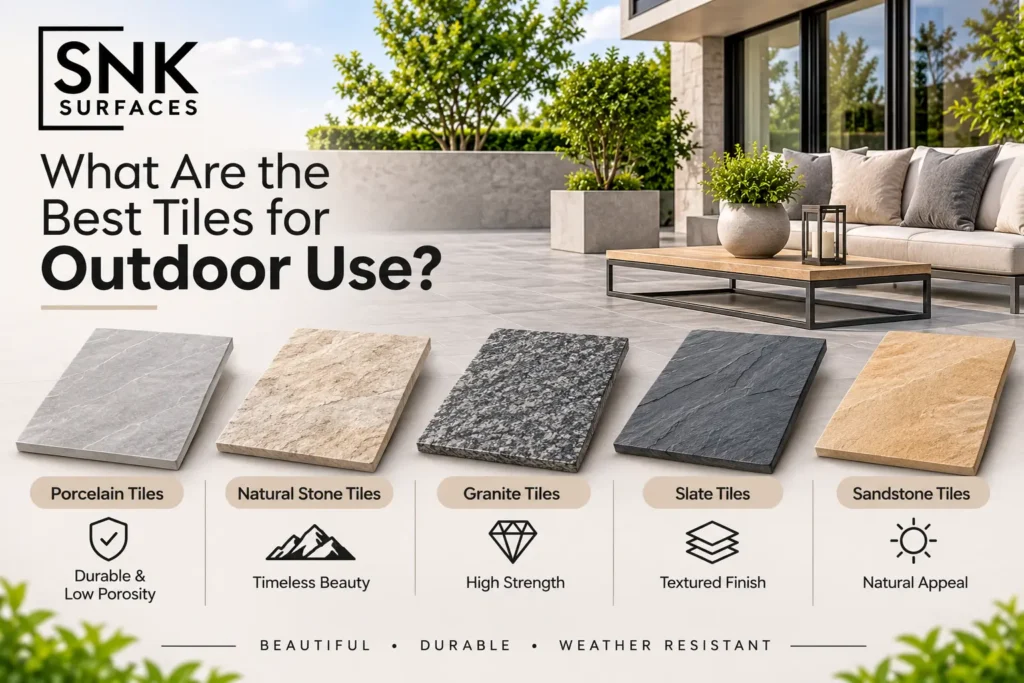
1. Porcelain Tiles: A Durable Choice for Outdoor Spaces
Porcelain tiles are a popular option for outdoor flooring because they are dense, strong, and have low water absorption. They can handle moisture and changing weather conditions when you choose products specifically rated for exterior use.
They also come in many colours, textures, and patterns. Some designs replicate natural stone or wood, giving you more flexibility when planning your outdoor space.
Porcelain tiles work well for patios, balconies, terraces, and garden pathways. For exposed areas, choose a suitable textured surface with tested slip resistance.
2. Natural Stone Tiles: Timeless Beauty and Natural Strength
Natural stone tiles bring an authentic look to outdoor spaces. Each piece has unique colours, patterns, and textures. This makes natural stone a great choice for people who want a natural and timeless finish.
Popular options include granite, slate, sandstone, and travertine. Each stone has different properties, so you should consider its porosity, strength, surface finish, and maintenance needs before choosing.
Natural stone works well for patios, garden pathways, terraces, pool surrounds, and outdoor seating areas.
3. Granite Tiles: Ideal for High-Traffic Outdoor Areas
Granite Tiles is a dense natural stone known for its strength and durability. It can handle regular foot traffic and everyday outdoor use.
Its natural hardness makes it suitable for entrances, pathways, steps, and other busy areas. Granite also comes in different colours and finishes.
For outdoor flooring, choose a textured or appropriately finished surface. Polished granite may become slippery when wet, so it is not always the best choice for exposed walkways.
4. Slate Tiles: A Textured Option for Outdoor Flooring
Slate tiles are natural stone tiles with a distinctive layered appearance. Their natural texture and earthy colours make them a popular choice for outdoor spaces.
They can create an attractive finish for patios, garden paths, and terraces. Their textured surface can also provide useful grip, depending on the finish and installation.
However, slate quality varies. Choose a suitable grade for exterior use and consider sealing requirements to protect the surface from moisture and stains.
Availability: Slate Stone Tiles are not part of our regular flooring collection. We offer them specially upon customer request or against a specific order. If you are looking for this unique natural stone finish, you can contact us to discuss your requirements and place a special order.
Contact us to enquire about Slate Stone Tiles and special orders.
6. Sandstone Tiles: Warm and Natural Outdoor Appeal
Sandstone Tiles offers a warm, earthy appearance that works well in gardens, patios, and outdoor pathways. Its natural colour variations help create a relaxed and organic design.
It is available in different shades and surface textures. This makes it easy to match with plants, garden walls, and outdoor furniture.
However, sandstone can absorb moisture and may need sealing. Choose a suitable grade with good strength and weather resistance for your intended application.
What Factors Should You Consider When Choosing Outdoor Tiles?
Choosing outdoor tiles involves more than selecting a colour or design. You need to consider how the tiles will perform under real outdoor conditions.
Here are the main factors to check before making a purchase.
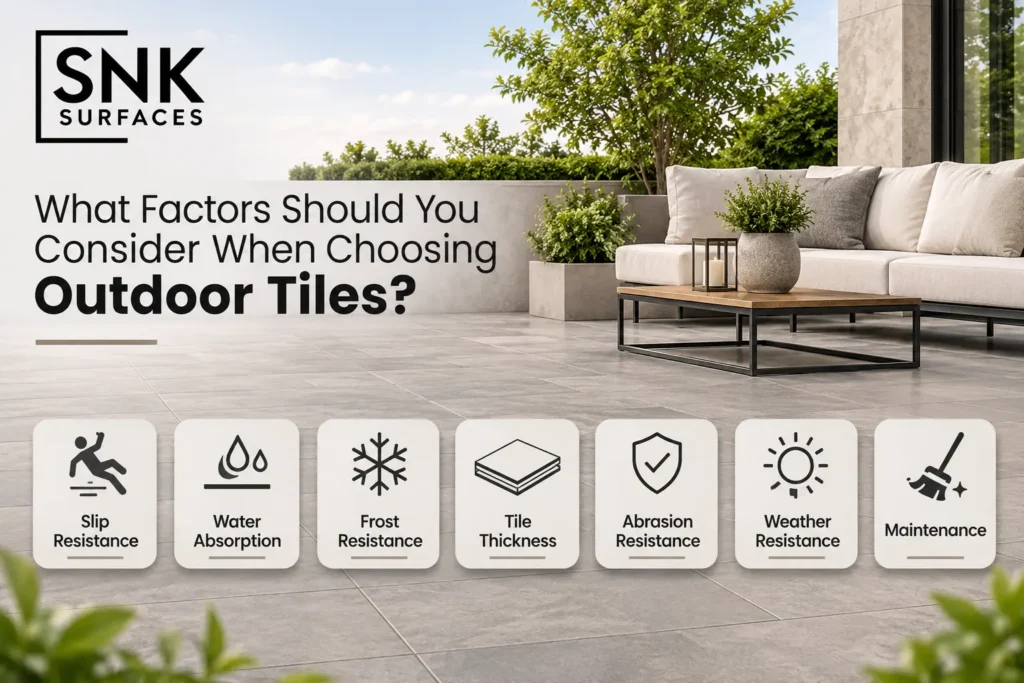
1. Slip Resistance: How to Choose Safer Outdoor Surfaces
Outdoor floors often become wet because of rain, cleaning, or splashing water. A smooth surface can become slippery and increase the risk of falls.
Choose tiles with a suitable slip-resistant texture for the area. Textured porcelain, flamed granite, and some natural stone finishes can offer better grip.
For swimming pool surrounds, outdoor stairs, and exposed walkways, pay special attention to tested slip-resistance ratings. Do not rely on appearance alone.
2. Water Absorption: Why Porosity Matters
Water absorption affects how well a tile handles moisture. Tiles with high water absorption can take in more water, which may cause problems in areas exposed to rain and freezing temperatures.
Porcelain tiles generally have very low water absorption. Natural stones have different absorption levels depending on their composition and finish.
Check the manufacturer’s water absorption specifications before buying. The ISO 10545-3 standard for water absorption explains how water absorption and related properties are measured in ceramic tiles.
3. Frost Resistance: Can Outdoor Tiles Handle Freezing Temperatures?
If you live in an area with freezing temperatures, frost resistance is an important factor.
Water can enter porous materials and freeze during cold weather. As water expands, it can create internal pressure and damage the tile.
Choose tiles tested and rated for frost resistance when installing them in cold climates. Proper drainage and installation also help prevent water from collecting beneath the surface.
4. Tile Thickness: What Thickness Is Best for Outdoor Use?
Tile thickness depends on the application and installation method.
Standard exterior-rated tiles can work well when installed over a properly prepared and stable base. Thicker porcelain pavers, such as 20mm products, are also available for certain outdoor applications.
For patios and terraces, consider the load requirements and installation system. For driveways, make sure the product is specifically approved for vehicle loads.
Remember that thickness alone does not determine strength. Tile composition, manufacturing quality, support, and installation all matter.
5. Abrasion Resistance: How Well Can Tiles Handle Daily Wear?
Outdoor flooring faces regular foot traffic, dirt, dust, and sometimes heavy furniture. These conditions can gradually wear down the surface.
Abrasion resistance helps determine how well a tile handles surface wear. It is especially important for entrances, pathways, and commercial outdoor areas.
Ask for the relevant product test results. For glazed ceramic and porcelain tiles, the PEI classification can help assess resistance to surface abrasion, but it does not replace other durability or slip-resistance tests.
6. Weather Resistance: Can Tiles Withstand Sun and Rain?
Outdoor tiles face different weather conditions throughout the year. Strong sunlight, rain, humidity, and temperature changes can affect their appearance and performance.
Choose materials designed for exterior applications. Also consider colour stability, surface durability, water absorption, and resistance to temperature changes.
A suitable installation system is equally important. Poor drainage or unsuitable adhesives can cause problems even when the tiles themselves are durable.
7. Maintenance: Which Outdoor Tiles Are Easy to Clean?
Outdoor tiles collect dust, mud, leaves, and other debris. Some materials need more care than others.
Porcelain tiles are generally easy to clean because of their dense structure and low porosity. Natural stone may need regular cleaning and periodic sealing, depending on the stone and finish.
Consider how much maintenance you are willing to do before choosing a material.
What Type of Outdoor Tile Is the Most Durable?
Porcelain and granite are two strong choices for durable outdoor flooring. Porcelain offers low water absorption and consistent performance, while granite provides natural strength and resistance to wear.
However, the most durable option depends on the installation area, climate, traffic, and surface finish.
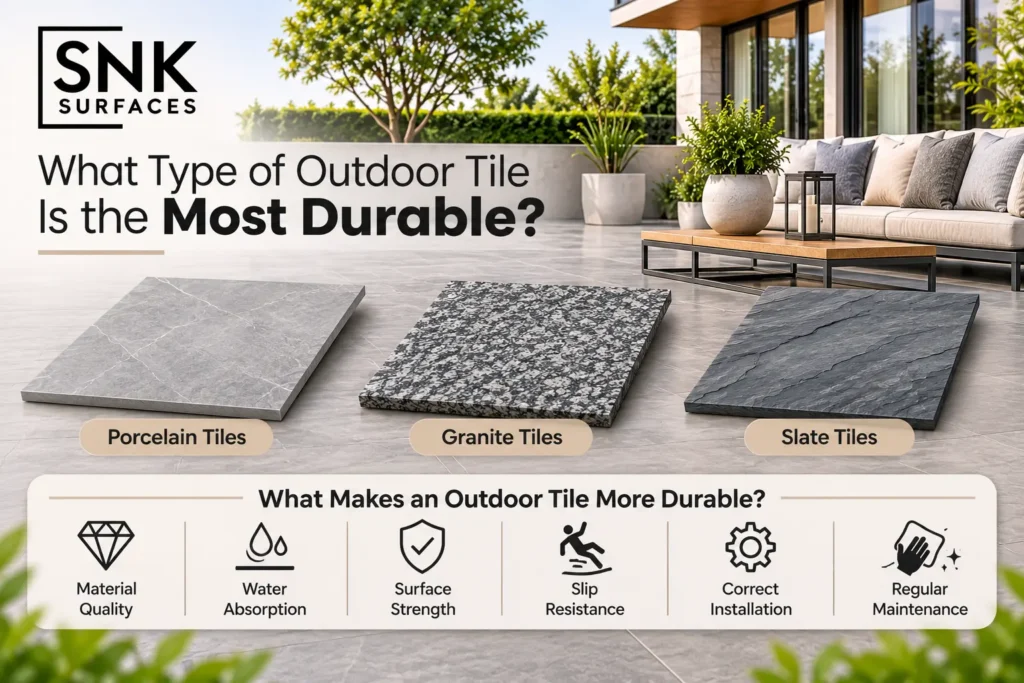
1. Porcelain Tiles for Long-Lasting Performance
Outdoor-rated porcelain tiles are dense and have very low water absorption. This makes them suitable for many exposed areas.
They also resist everyday stains and are relatively easy to maintain. Their durability makes them a practical choice for patios, terraces, and garden pathways.
Choose a product with the right thickness, slip resistance, and exterior rating for your project.
2. Granite Tiles for Strength and Heavy Foot Traffic
Granite is a strong natural stone that performs well in busy outdoor areas. Its dense composition helps it withstand regular use.
It is suitable for entrances, walkways, outdoor steps, and other areas that experience frequent foot traffic.
A textured or flamed finish is often a better choice for outdoor flooring than a polished surface.
3. Slate Tiles for Durable Natural Stone Flooring
Slate offers a combination of natural texture and attractive appearance. It can be a good option for patios, garden paths, and outdoor living areas.
Its durability depends on the quality of the stone and its ability to handle moisture and weather changes.
Choose properly graded slate and follow the recommended sealing and maintenance instructions.
4. What Makes an Outdoor Tile More Durable?
Several factors determine how long an outdoor tile will last:
- Material quality: Dense and well-manufactured materials generally offer better performance.
- Water absorption: Low absorption is important in wet and freezing conditions.
- Surface strength: Good abrasion and wear resistance help protect the tile.
- Slip resistance: A suitable surface finish improves safety.
- Correct installation: A stable base, proper adhesive, and effective drainage reduce the risk of damage.
- Regular maintenance: Proper cleaning and care help preserve the surface.
A durable tile needs both the right material and the right installation.
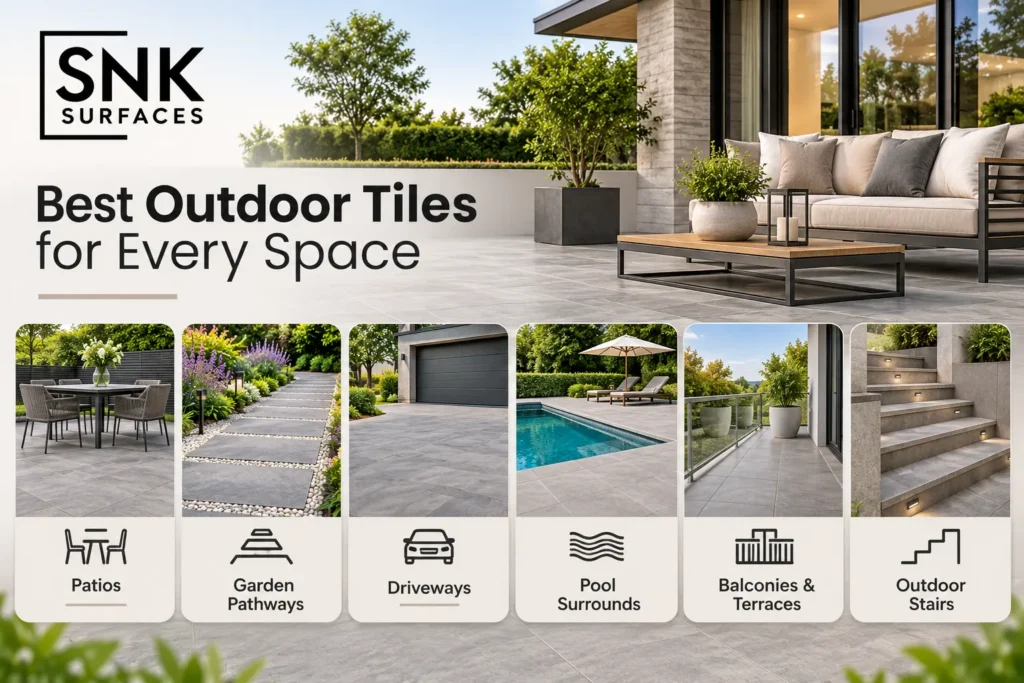
Which Outdoor Tiles Are Best for Different Applications?
Different outdoor spaces have different requirements. A tile that works well on a patio may not be suitable for a swimming pool surround or driveway.
Here is how to choose tiles for common outdoor applications.
1. Best Outdoor Tiles for Patios
Patios are often used for relaxing, dining, and entertaining guests. The flooring should look attractive while handling regular foot traffic and changing weather.
Porcelain, granite, sandstone, and travertine can all work well. Choose a finish that provides good grip and suits the overall design.
2. Best Outdoor Tiles for Garden Pathways
Garden pathways need durable surfaces that can handle foot traffic, moisture, and outdoor dirt.
Granite, slate, and textured porcelain are practical choices. Natural stone can also blend beautifully with plants and garden landscapes.
Make sure the base is stable and water can drain away properly.
3. Best Outdoor Tiles for Driveways
Driveways experience heavier loads than ordinary patios or walkways. Not every outdoor tile can handle vehicle traffic.
Choose tiles or pavers specifically rated for driveway use. Consider load-bearing capacity, thickness, strength, and the quality of the supporting base.
Do not assume that a 20mm tile is automatically suitable for every driveway installation.
4. Best Outdoor Tiles for Swimming Pool Surrounds
Pool areas remain wet for long periods. Therefore, slip resistance and water suitability should be your main priorities.
Textured porcelain, suitable natural stone, and other pool-rated surfaces can work well.
Avoid choosing highly polished surfaces simply because they look attractive. Also check whether the material can handle pool chemicals and regular cleaning.
5. Best Outdoor Tiles for Balconies and Terraces
Balconies and terraces need tiles that can handle rain, sunlight, and regular exposure to moisture.
Porcelain tiles are a popular option because they offer low water absorption and easy maintenance. Natural stone can also work well when properly selected and installed.
Pay attention to drainage, waterproofing, structural load limits, and the suitability of the installation system.
6. Best Outdoor Tiles for Outdoor Stairs
Outdoor stairs need a surface that provides reliable grip. A slippery finish can increase the risk of accidents.
Textured granite, exterior-rated porcelain, and suitable natural stone are useful options.
Choose tiles with appropriate slip resistance and consider stair nosing or edge details for better safety and durability.
Porcelain Tile vs Natural Stone: Which Is Better for Outdoor Use?
Porcelain tile and natural stone are both popular outdoor flooring options. However, they have different characteristics.
Porcelain is a manufactured material with consistent technical properties. Natural stone offers unique patterns and textures created by nature.
Here is a quick comparison.
| Feature | Porcelain Tiles | Natural Stone Tiles |
|---|---|---|
| Appearance | Consistent designs and patterns | Unique natural patterns |
| Water absorption | Very low | Varies by stone |
| Maintenance | Generally easy | May need sealing |
| Durability | High when correctly selected | Depends on stone type |
| Slip resistance | Depends on surface finish | Depends on stone and finish |
| Design options | Wide range | Natural colours and textures |
| Installation | Requires suitable exterior system | Requires stone-specific installation |
1. Durability and Strength
Porcelain tiles offer consistent strength and low porosity. They are suitable for many outdoor applications when correctly specified.
Natural stone also offers excellent durability. Granite, for example, is known for its strength, while sandstone and travertine need more careful selection.
2. Water Absorption and Weather Resistance
Porcelain tiles generally absorb very little water. This makes them a good option for areas exposed to rain and moisture.
Natural stone has varying levels of porosity. Granite is generally dense, while sandstone and travertine may absorb more water.
Always check the technical specifications of the specific material.
3. Slip Resistance and Surface Finishes
Both materials offer different surface finishes.
Porcelain is available in textured, structured, and other exterior finishes. Natural stone can have brushed, flamed, honed, or naturally cleft surfaces.
Choose based on the intended application and tested slip performance.
4. Design, Colours, and Natural Appearance
Porcelain provides a wide range of colours, patterns, and finishes. It can even replicate the appearance of natural stone.
Natural stone offers something different. Each piece has its own colour variations, veins, and textures.
If you prefer a consistent modern look, porcelain may be the better option. If you want an authentic natural finish, stone is worth considering.
5. Installation and Maintenance Requirements
Porcelain requires suitable adhesives, grout, and a stable base. Its low porosity generally makes routine maintenance easier.
Natural stone may need special adhesives, sealing, and stone-compatible cleaning products.
Consider the installation and maintenance requirements before making your final decision.
Are Waterproof Outdoor Wall Tiles and Floor Tiles Different?
Yes. Outdoor wall tiles and outdoor floor tiles are designed for different applications. Wall tiles need to stay securely fixed to vertical surfaces, while floor tiles must handle foot traffic, impact, and surface loads.
When choosing waterproof outdoor wall tiles or waterproof outdoor floor tiles, check the product specifications rather than relying only on marketing descriptions.
1. What Are Waterproof Outdoor Wall Tiles?
Water-resistant outdoor wall tiles are designed for exterior walls exposed to rain, humidity, and changing temperatures.
Porcelain and suitable natural stone can be used for exterior wall cladding. They can protect the wall surface while improving the appearance of the building.
However, tiles alone do not make a wall completely waterproof. Proper waterproofing, joints, flashing, drainage, and installation details are essential.
2. What Are Waterproof Outdoor Floor Tiles?
Waterproof outdoor floor tiles are selected to handle moisture and exterior conditions while providing a suitable walking surface.
Exterior-rated porcelain tiles are a popular choice because they have very low water absorption.
Natural stone can also work well when the specific stone is suitable for the climate and application. For floors, check slip resistance as well as water absorption.
3. How to Choose Tiles for Outdoor Walls and Floors
Consider these factors before buying:
- For walls: Check exterior suitability, weight, fixing requirements, and weather resistance.
- For floors: Check slip resistance, strength, thickness, and water absorption.
- For both: Check temperature suitability, installation products, and maintenance requirements.
Never use a wall-only tile on a floor unless the manufacturer specifically approves it for flooring.
4. Why Water Resistance Matters for Exterior Surfaces
Outdoor walls and floors are regularly exposed to rain and humidity. Materials that absorb excessive moisture may develop stains, damage, or other problems.
Choosing suitable tiles and installing them correctly helps protect the surface.
Remember that a waterproofing system beneath or behind the tiles may still be necessary, especially on balconies, terraces, and exposed walls.
What Outdoor Tile Size Should You Choose?
Tile size affects the appearance, layout, and installation of your outdoor space. The right size depends on the area, design, drainage requirements, and cutting needs.
1. Outdoor Tiles 450×450: Are They a Good Choice?
Outdoor tiles 450×450 are a practical size for many small and medium-sized spaces. Their square shape makes them suitable for balconies, pathways, patios, and other outdoor areas.
They can create a balanced layout without making smaller spaces look overcrowded.
However, size alone does not determine outdoor suitability. Check the tile’s material, thickness, surface finish, and exterior rating before purchasing.
2. Small vs Large Outdoor Tiles
Small tiles can work well in compact areas and spaces with more complex layouts. They may also require more grout joints.
Large-format tiles can create a cleaner and more spacious appearance. However, they need careful handling, accurate installation, and a suitable base.
Consider the size of your outdoor area and the required drainage slope before choosing.
3. How Tile Size Affects Outdoor Design and Installation
Tile size influences the number of joints, cutting requirements, and overall pattern.
Larger tiles may create fewer grout joints, while smaller tiles offer more flexibility around corners and irregular spaces.
The installer should plan the layout carefully to avoid narrow cuts and uneven edges.
What Types of Tiles Should You Avoid Using Outdoors?
Not every tile designed for indoor use can handle exterior conditions. Some products may become slippery, absorb too much water, or suffer damage when exposed to changing weather.
Here are a few types to approach with caution.
1. Standard Indoor Ceramic Tiles
Standard indoor ceramic tiles are not always suitable for outdoor use. Some have higher water absorption or lack the strength needed for exposed conditions.
However, certain ceramic products are specifically rated for exterior applications. Always check the manufacturer’s specifications before deciding.
2. Highly Polished Tiles With Low Slip Resistance
Highly polished tiles can become slippery when wet. This makes them a poor choice for exposed walkways, pool surrounds, and outdoor stairs if they lack suitable slip resistance.
Choose a textured surface designed for the intended application.
3. Tiles With High Water Absorption
Tiles that absorb too much water may face problems in areas exposed to rain or freezing temperatures.
Check the water absorption rating before purchasing. Choose materials suitable for your climate and installation area.
4. Tiles Not Designed for Exterior Conditions
Some tiles are designed only for indoor walls or floors. They may not withstand sunlight, temperature changes, moisture, or outdoor traffic.
Always confirm that the product is approved for exterior use.
How Should Outdoor Tiles Be Installed?
Even high-quality outdoor tiles can fail if the installation is poor. A stable base, suitable adhesive, proper drainage, and correct joints are essential for long-term performance.
1. Preparing the Outdoor Surface
Start with a stable, clean, and properly prepared base. Remove loose material, dust, and debris before installation.
Check the surface for cracks, uneven areas, and drainage problems. Any structural or waterproofing issues should be addressed before laying the tiles.
2. Choosing the Right Tile Adhesive and Grout
Outdoor installations need adhesives and grouts designed for exterior conditions.
Choose products compatible with the tile material, substrate, and expected temperature changes.
Natural stone may require specific adhesive formulations to prevent staining or discolouration.
3. Ensuring Proper Drainage and Slope
Water should not collect on outdoor tiled surfaces. Standing water can contribute to staining, algae growth, and installation problems.
Provide a suitable slope towards drainage points. The exact slope depends on the application and local building requirements.
4. Installing Outdoor Tiles Over Concrete
Concrete provides a common base for outdoor tile installations. However, it should be stable, properly cured, and suitable for the chosen installation system.
Use the recommended exterior adhesive and follow the manufacturer’s instructions. Allow for movement joints where required.
For balconies and terraces, make sure the waterproofing system is correctly designed and installed.
How Do You Clean and Maintain Outdoor Tiles?
Regular maintenance helps outdoor tiles retain their appearance and performance. The cleaning method depends on the material and surface finish.
1. Cleaning Porcelain Outdoor Tiles
Porcelain tiles are generally easy to maintain. Sweep away loose dirt and wash the surface with water and a suitable mild cleaning solution.
Avoid harsh products unless the manufacturer recommends them. For stubborn dirt, use a cleaner designed for porcelain surfaces.
2. Cleaning and Sealing Natural Stone
Natural stone requires more care because different stones have different levels of porosity.
Use a stone-safe cleaning product and avoid acidic cleaners on acid-sensitive stones such as marble, limestone, and travertine.
Some stones benefit from sealing to reduce staining and moisture absorption. Follow the stone supplier’s recommendations.
3. Preventing Moss, Algae, and Outdoor Stains
Moisture and organic debris can encourage moss and algae growth, especially in shaded areas.
Sweep the surface regularly and remove fallen leaves. Improve drainage wherever water collects.
Clean affected areas with a suitable exterior tile or stone cleaner. Always test cleaning products on a small, hidden area first.
Final Thoughts
Choosing the right outdoor tiles is an important step in creating a beautiful and durable exterior space. Porcelain, granite, slate, and sandstone each offer different advantages.
Before making your decision, consider the weather, water absorption, slip resistance, tile thickness, maintenance, and installation requirements.
If you want low maintenance and consistent performance, exterior-rated porcelain is worth considering. If you prefer natural patterns and textures, natural stone can add timeless character to your outdoor space.
The best tile is not simply the one that looks attractive. It is the one that suits your space, performs well in your climate, and meets your long-term needs.
Frequently Asked Questions About Outdoor Tiles
1. What Is the Best Tile for Outdoor Use?
Porcelain and natural stone are two of the best options for outdoor use. Porcelain offers low water absorption and easy maintenance, while granite, slate, and travertine provide natural beauty and different performance benefits. The right choice depends on climate, traffic, and installation requirements.
2. What Type of Outdoor Tile Is the Most Durable?
Porcelain and granite are excellent choices for durable outdoor flooring. Porcelain offers low porosity and consistent performance, while granite provides natural strength. Both need the correct surface finish and installation to perform well.
3. Are Porcelain Tiles Good for Outdoor Use?
Yes. Exterior-rated porcelain tiles are suitable for many outdoor spaces. Their dense structure and low water absorption make them a practical option for patios, balconies, terraces, and pathways. Choose a suitable slip-resistant finish for exposed areas.
4. Are Outdoor Porcelain Tiles Waterproof?
Porcelain tiles have very low water absorption, but that does not mean an entire tiled installation is waterproof. Water can enter through grout joints, edges, and gaps. Proper waterproofing and drainage are important for exposed terraces and balconies.
5. What Are the Best Non-Slip Outdoor Tiles?
Textured porcelain, flamed granite, and suitable natural stone finishes can provide good grip. The best choice depends on the location and expected moisture levels. Always check the tested slip-resistance rating before buying.
6. Can Ceramic Tiles Be Used Outdoors?
Some ceramic tiles are suitable for outdoor use, but standard indoor ceramic tiles may not withstand exterior conditions. Check the manufacturer’s specifications for water absorption, frost resistance, and slip performance.
7. Are Natural Stone Tiles Suitable for All Weather Conditions?
Not all natural stones perform equally in every climate. Granite is generally dense, while sandstone and travertine may absorb more moisture. Choose a stone grade that suits your local weather and follow the recommended sealing and maintenance instructions.
8. What Is the Best Thickness for Outdoor Floor Tiles?
The best thickness depends on the installation method and expected load. Standard exterior-rated tiles can work over a suitable prepared base, while 20mm porcelain pavers are designed for certain outdoor paving systems. Always follow the manufacturer’s installation and load requirements.
9. Are 450×450 Tiles Suitable for Outdoor Use?
Yes, 450×450 tiles can work well in outdoor areas when the product is specifically rated for exterior use. They are a practical option for patios, balconies, and pathways. Check the thickness, slip resistance, and water absorption before buying.
10. What Is the Difference Between Outdoor Wall Tiles and Floor Tiles?
Outdoor wall tiles are designed for vertical installation and must meet suitable fixing and exterior exposure requirements. Floor tiles need to handle foot traffic, loads, and slip resistance. Always choose products approved for their intended application.